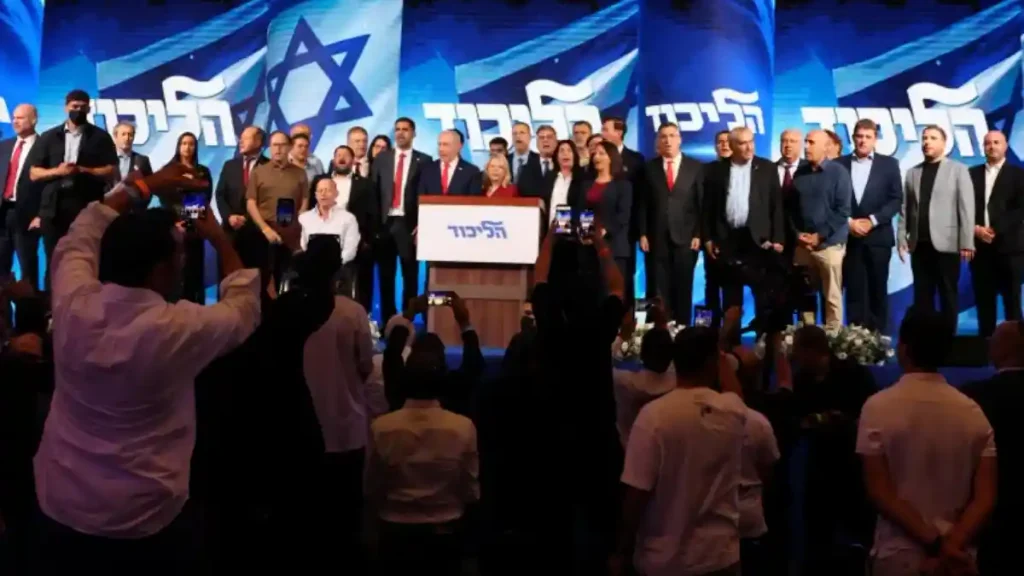
Prime Minister Benjamin Netanyahu addressed enthusiastic supporters at his party headquarters in West Jerusalem following the close of national legislative voting. Speaking as early projections emerged, the long-serving leader emphasized the critical necessity of establishing a stable right-wing administration to guarantee national security, firmly rejecting any reliance on political factions he claimed opposed the nation’s existence.
Partial tallies and projections released by major domestic networks indicated that Likud was positioned to secure the highest number of individual seats in parliament. However, early calculations suggest that neither major political bloc has achieved an outright majority, signaling an impending period of intense coalition negotiations.
Addressing the crowd, Netanyahu noted that official vote counts would take several days to finalize, stating that the true election results due in one or two days would solidify the final legislative landscape. He also highlighted his government’s military achievements over recent years, pointing to major security operations targeting regional adversaries.
Outlining his administration’s foreign and defense milestones, Netanyahu stated, “We worked wonders that changed the face of the Middle East. We eliminated Mohammed Deif, Ismail Haniyeh, Yahya Sinwar, Hassan Nasrallah, Iranian Supreme Leader Ali Khamenei. We established security zones deep inside Gaza, in Lebanon, in Syria. We removed an immediate existential threat that hung over us, the danger of immediate destruction. We struck the Iranian regime and brought it to the edge of the abyss. Iran is weaker than ever; Israel is stronger than ever.”
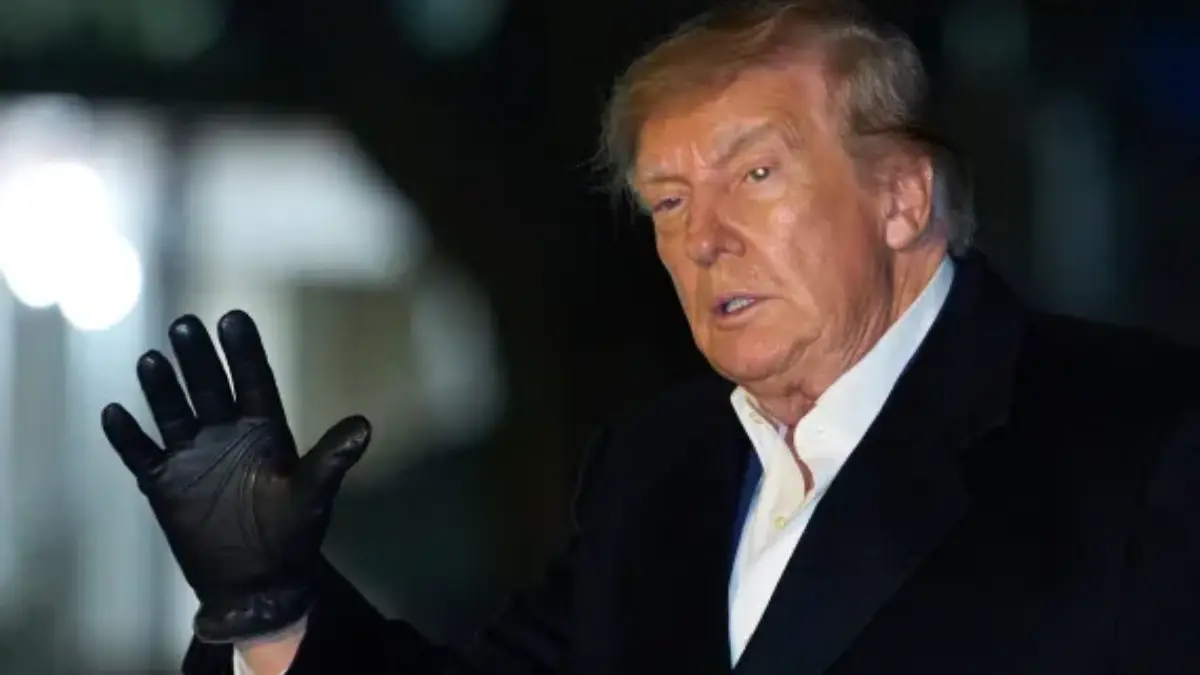
Furthermore, the prime minister pointed to a strategic alignment with the United States administration under President Donald Trump, describing it as a historic opening to neutralize external security threats permanently.
Political commentators and analysts offered mixed perspectives on the electoral outcome. While Likud’s projected seat count keeps Netanyahu at the center of domestic politics, analysts noted that his governing bloc remains short of a clear majority. Observers suggest that forming a viable administration will require difficult political compromises, with opposition figures maintaining strong reservations about entering joint governance agreements.
Why It Matters
The outcome of Israel’s legislative elections will significantly shape domestic policy, regional security strategies, and geopolitical alliances across the Middle East. As political parties navigate complex coalition talks to secure a parliamentary majority, the resulting government will dictate defense priorities and foreign policy stances during a period of heightened regional volatility. How political leaders manage these delicate coalition negotiations in the coming days will determine long-term governance stability and influence diplomatic relations with key international partners.
References / Source Links
- The Times of Israel: https://www.timesofisrael.com
- Reuters: https://www.reuters.com
- Al Jazeera: https://www.aljazeera.com