Global energy markets experienced sharp upward pressure this week as surging hostilities across the Middle East triggered renewed supply fears. Brent crude futures climbed more than one percent to trade above one hundred ten dollars per barrel, reflecting growing trader anxiety over regional stability and potential transit blockades in critical shipping lanes.
The economic fallout comes amid a backdrop of intensified military engagements involving multiple nations. In the Persian Gulf, tensions escalated further after reports indicated that several vessels sustained damage during maritime incidents near the Strait of Hormuz. International shipping companies and energy analysts are closely monitoring these disruptions, which threaten to constrict vital petroleum export routes and impact worldwide fuel supplies.
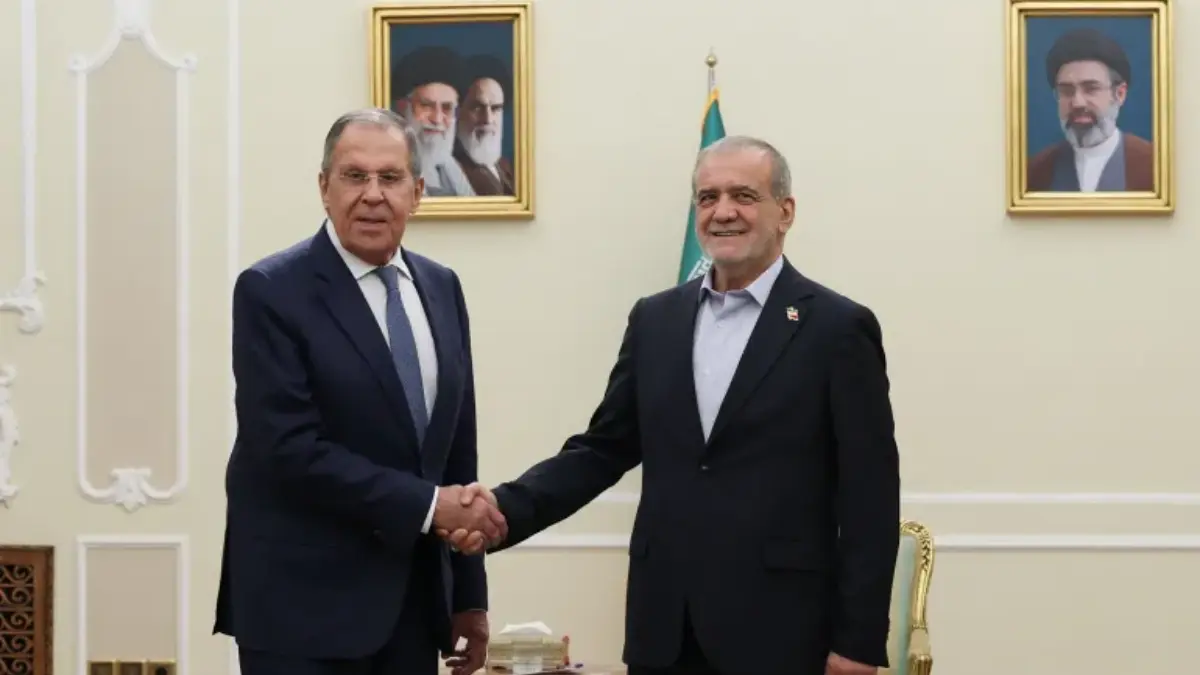
Diplomatic efforts to de-escalate the situation remain uncertain. United States leadership stated that direct negotiations with Tehran are not currently active, though officials suggested that a diplomatic breakthrough could emerge following upcoming political cycles. Meanwhile, regional powers continue to fortify alliances, highlighted by a newly formed four-nation defense pact aimed at bolstering industrial and security cooperation across participating territories.
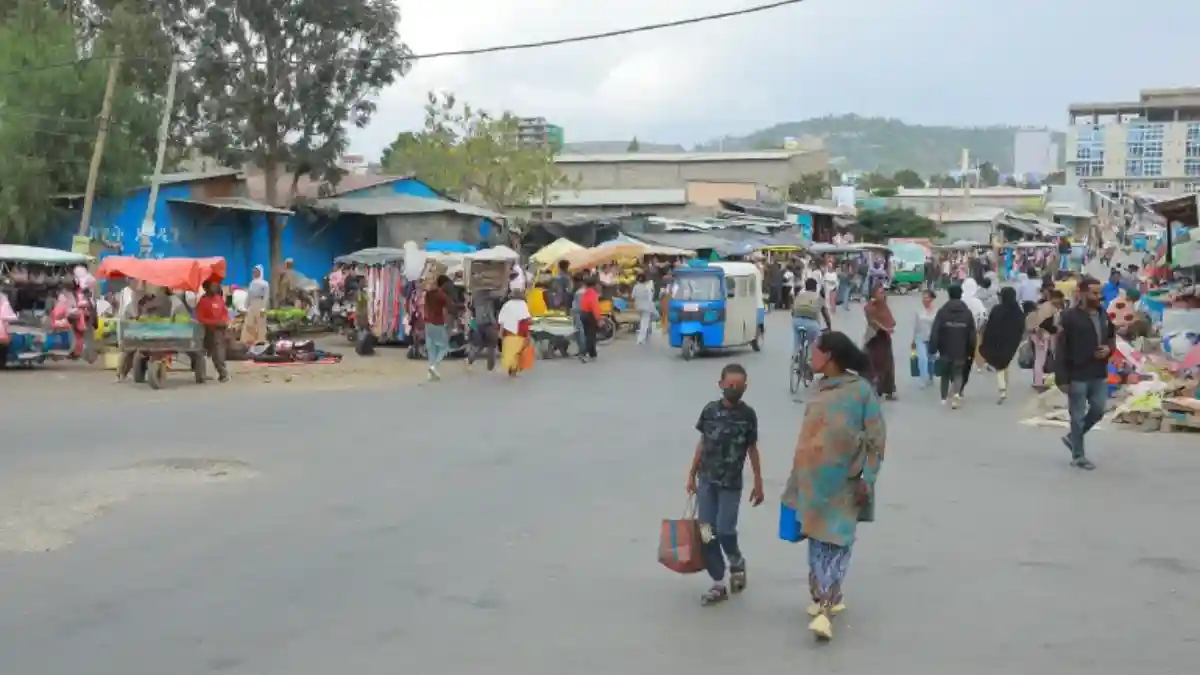
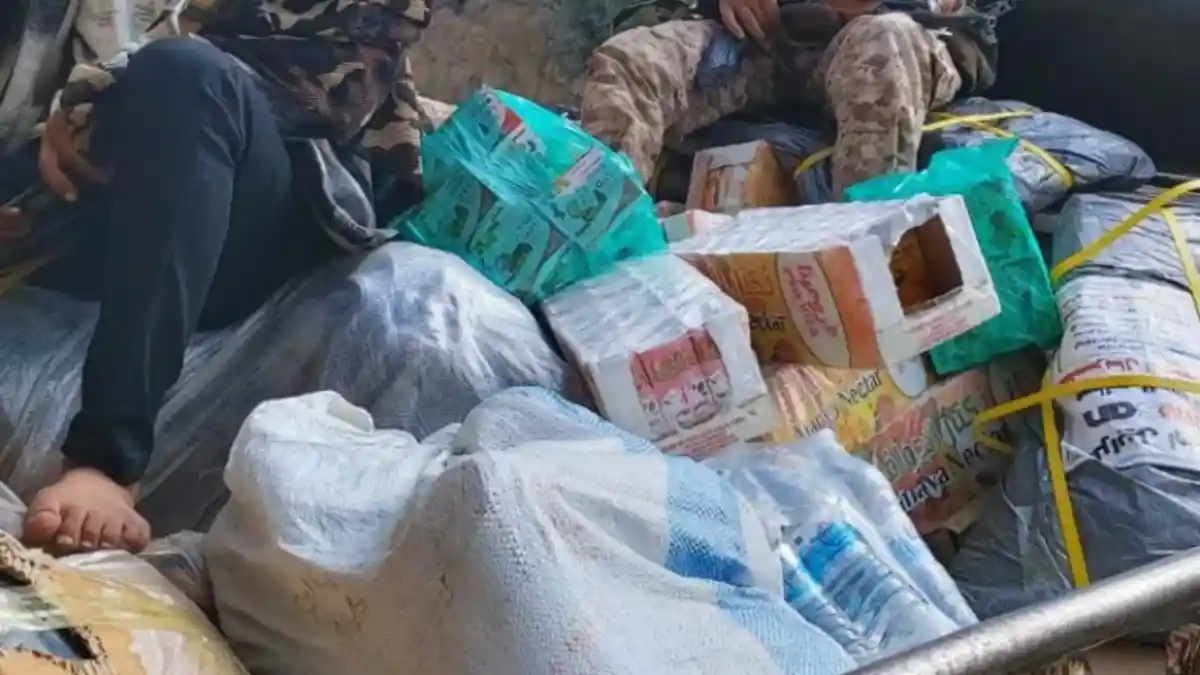
On the ground, localized clashes and security operations continue to displace civilians and strain infrastructure in several areas. Humanitarian organizations have raised alarms over shrinking aid access and mounting pressures on local healthcare systems, particularly in regions impacted by continuous armed confrontations. Observers note that without a decisive diplomatic intervention, the combination of economic strain, energy volatility, and ongoing military friction will continue to threaten broader international stability.
The convergence of disrupted maritime trade, volatile energy markets, and stalled diplomatic channels creates a highly unpredictable environment for the global economy. Continued friction in key shipping zones threatens to sustain high fuel prices, placing heavy financial burdens on consumers and industries worldwide. As diplomatic postures harden and military readiness increases across multiple fronts, the international community faces a critical window to prevent a wider economic and geopolitical crisis.
Sources / References
- Al Jazeera live news reporting and regional correspondents
- Official market data from international energy trading platforms regarding Brent and WTI crude
- State news agency statements and diplomatic updates from Washington, Tehran, and regional capitals