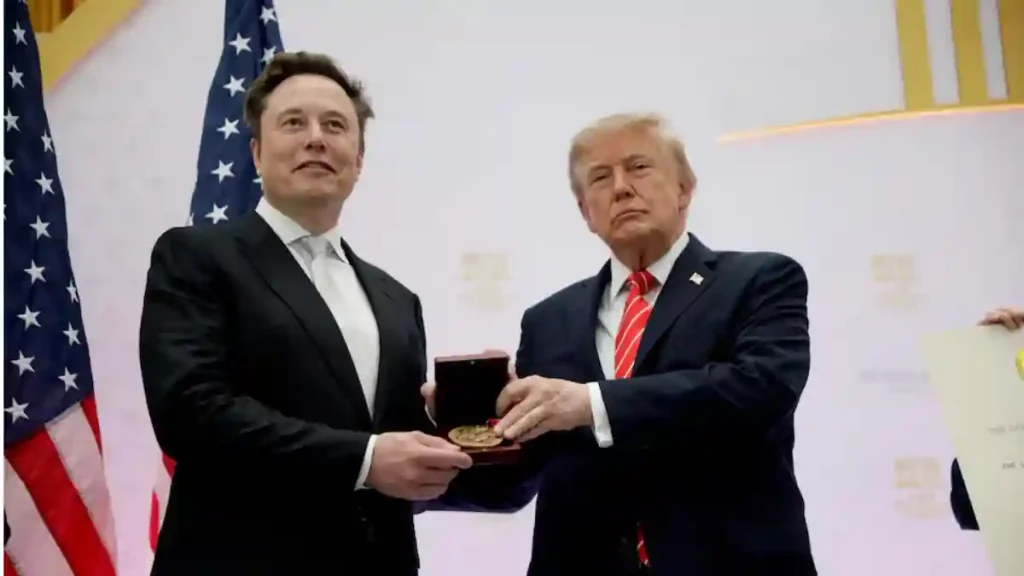
A potential corporate merger between rocket manufacturer SpaceX and electric automaker Tesla could face greater hurdles from political scrutiny than from traditional regulatory oversight. The proposed consolidation would combine a major United States defense contractor with a premier electric vehicle producer heavily reliant on manufacturing operations in China.
Speculation regarding a corporate tie-up reignited after Elon Musk confirmed that special board committees at both enterprises are currently reviewing the proposal. If completed, the combined corporate entity could achieve a market valuation near $3.5 trillion, making it the largest corporate merger in financial history.
However, uniting SpaceX’s vital defense technologies with Tesla’s extensive manufacturing infrastructure in Shanghai introduces significant national security concerns in both Washington and Beijing. While industry analysts believe political friction is unlikely to block the deal completely, it leaves the prospective megacorporation vulnerable to years of congressional investigations and international regulatory pushback.
Democrat lawmakers swiftly criticized the proposal ahead of the upcoming midterm elections, raising concerns over market power and national security oversight. Highlighting the broader geopolitical implications of the deal, United States Senator Cory Booker expressed strong caution regarding concentration of power, stating, “If Elon Musk moves forward with the merger of Tesla and SpaceX, the deal would carry real risks that antitrust enforcers across the world would scrutinize.”
Senator Booker further noted his readiness to launch formal congressional investigations, remarking, “When one person controls the infrastructure that governments and militaries depend on, his business decisions become national security decisions, too.”
Financial and policy experts suggest that while current executive leadership might approve the transaction, future political shifts could endanger the corporate structure. Explaining the long-term regulatory exposure, Derek Scissors, a senior fellow at the American Enterprise Institute, noted, “A merger agreement would involve pledges of limits to the connections between SpaceX and Tesla.”
Scissors highlighted the threat of future political reversals, adding, “I don’t think the Trump administration would enforce these limits. However, the next administration could certainly begin to scrutinize a merged entity. This may be the biggest risk to a deal – that it could get unwound in 2029.”
Beyond American politics, Chinese regulators may reevaluate Tesla’s status within their domestic market. Commenting on the strategic conflict, Alicia Garcia-Herrero, a senior research fellow at the Bruegel think tank, observed, “A formal merger would make it harder for Chinese authorities to treat Tesla as a purely commercial actor, raising risks for future factory expansions, data approvals, or market access.”
International antitrust authorities in South Korea, Europe, and Asia are also expected to conduct rigorous reviews. Former antitrust official Lee Hwang emphasized the scrutiny awaiting the proposal in key international markets, stating, “Korean antitrust officials will be wary of the merger. They will take the merger very seriously.” Hwang concluded, “The stakes are very high in Korea because it regards both the automotive and aerospace sectors as strategically important industries.”
The proposed consolidation of SpaceX and Tesla represents an unprecedented convergence of private commercial power, global manufacturing, and national security infrastructure. Navigating intense political opposition in Washington alongside regulatory caution across Asian and European markets will serve as a crucial test for the mega-deal. As congressional oversight looms and international trade authorities prepare detailed reviews, the coming months will reveal whether Elon Musk can successfully unite his business empire or if mounting geopolitical friction will stall the historic transaction.
Sources / References
- Reuters Report on Political and Regulatory Hurdles for SpaceX-Tesla Merger
- Official Statements from US Senator Cory Booker and the Senate Judiciary Committee
- Market Research and Policy Analysis from the American Enterprise Institute (AEI) and Bruegel Think Tank