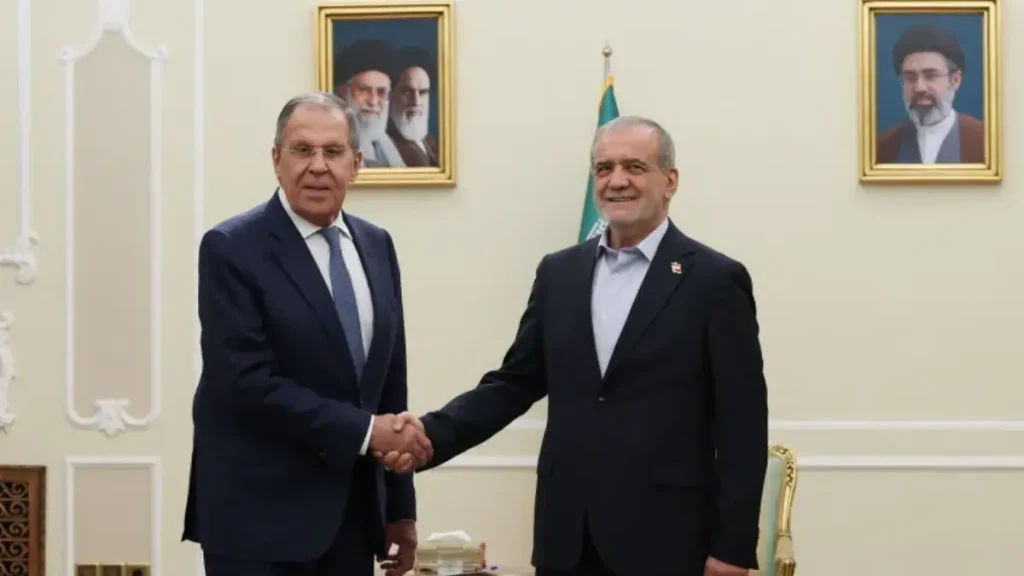
Russian Foreign Minister Sergey Lavrov recently completed a high-level diplomatic visit to Iran, holding talks with Iranian President Masoud Pezeshkian and top security officials. The visit follows two summits between Pezeshkian and Russian President Vladimir Putin in September and October. The frequent contacts highlight Moscow’s growing effort to position itself as an indispensable mediator between Washington and Tehran over a potential nuclear agreement.
Moscow holds significant technical and diplomatic advantages that could make its mediation effective. As a leading global nuclear power, Russia’s state energy corporation, Rosatom, plays a major role in civilian nuclear power worldwide and is actively building new reactor units at Iran’s Bushehr power plant. Moscow supports Iran’s right to domestic civilian nuclear energy while firmly opposing nuclear proliferation or weapons development near its borders.
Diplomatic alignment between Moscow and Tehran has deepened following shared geopolitical challenges and US sanctions. After Washington set a goal to inflict strategic defeat on Russia in 2022, Iran provided vital drone technology to support Moscow. Early in 2025, the two nations signed a Treaty on Comprehensive Strategic Partnership to expand economic and defense ties, though Tehran chose not to include a mutual defense clause.
Brokering a lasting nuclear agreement directly serves Russia’s economic and regional security interests. While Moscow recognizes Tehran’s resilience amid ongoing regional conflict, prolonged instability harms shared infrastructure goals, including the International North-South Transport Corridor connecting Russia to India. Furthermore, energy supply disruptions and maritime blockades in the Strait of Hormuz create volatility that Moscow seeks to resolve to protect trade ties with Gulf Arab states.
Russia also brings valuable historical experience to negotiations, having served as a key participant in the 2015 Joint Comprehensive Plan of Action (JCPOA). With Western European nations losing diplomatic leverage in both capitals and the US previously withdrawing from the original deal, Moscow and Beijing remain the primary global powers capable of engaging both sides effectively. Recent reports indicate Putin has already relayed diplomatic proposals directly between Washington and Tehran.
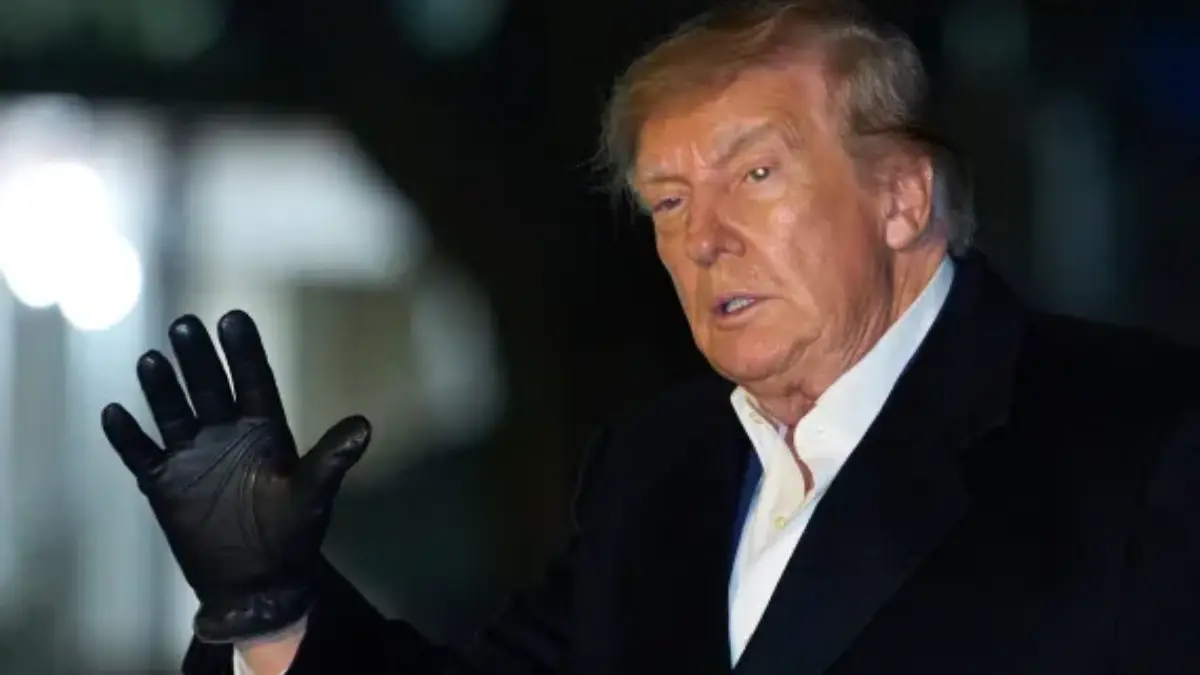
At the same time, broader geopolitical conflicts in Ukraine and the Middle East remain interconnected among major world powers. US President Donald Trump has signaled interest in potential trilateral discussions alongside Putin and Chinese leader Xi Jinping during the upcoming Asia-Pacific Economic Cooperation summit in Shenzhen, focusing on global denuclearization and conflict resolution.
A successful Russian-led mediation on the Iranian nuclear file could reshape Middle Eastern security dynamics and reopen vital international trade routes. Resolving the nuclear impasse would help stabilize global energy markets, reduce maritime tensions in the Persian Gulf, and establish a framework for broader diplomatic engagement between major global powers. As trilateral conversations between Washington, Moscow, and Beijing gain momentum, the coming months will test whether diplomatic negotiation can effectively de-escalate regional wars and restore long-term economic stability.
Sources / References
- Al Jazeera English Analysis on Russian Mediation between the US and Iran
- Official statements from the Ministry of Foreign Affairs of the Russian Federation
- Diplomatic updates from the Executive Office of the President of the Islamic Republic of Iran