Border transit between Syria and Jordan is set to resume following a brief closure prompted by cross-border military operations. Authorities confirmed that the Nassib border crossing will welcome back commercial shipments and regular travelers, restoring vital economic connectivity between the neighboring nations.
The temporary shutdown followed a series of Jordanian aerial bombardments targeting suspected militant hideouts in southern Syrian territories. Amman stated that the operation was launched in direct retaliation for a tragic shooting incident at a Greek Orthodox church in Karak, an assault for which extremist groups later claimed responsibility.
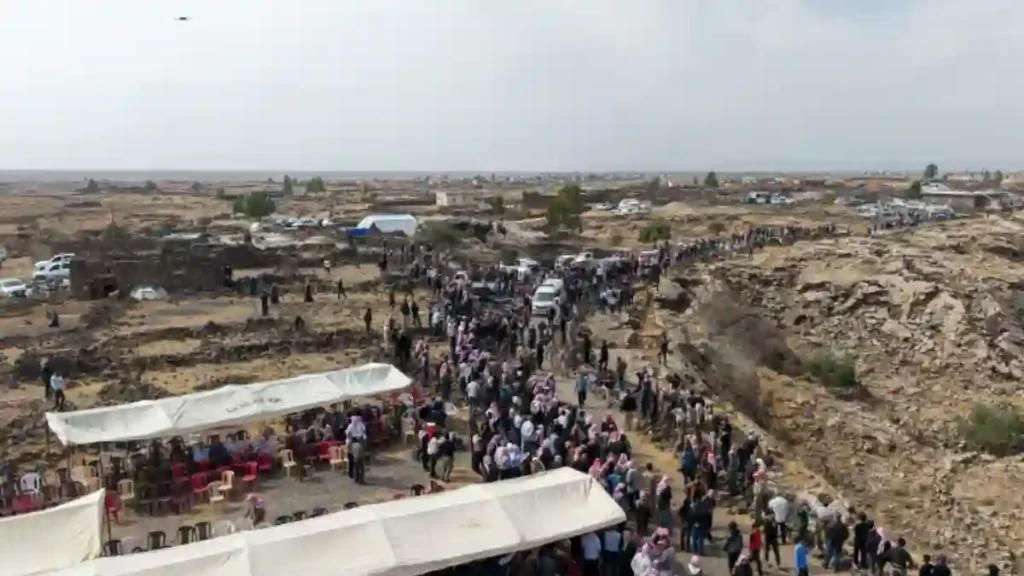
The military strikes resulted in tragic civilian casualties across Deraa and Suwayda, claiming the lives of seven individuals, including multiple children from the same household. Emergency response units rushed to multiple impact zones to manage the aftermath as local families buried the victims.
Following high-level diplomatic discussions, the foreign ministries of both nations announced the creation of a specialized security taskforce to review the consequences of the strikes and prevent future tragedies. During a telephone conference between top diplomats, Jordanian leadership expressed sorrow over the civilian fatalities while emphasizing respect for regional sovereignty.
Addressing the necessity of the counterterrorism operation, Jordanian Foreign Minister Ayman Safadi said Monday’s air attacks were based on field intelligence and aimed at “neutralising confirmed threats and imminent terrorist operations targeting Jordan’s security”.
While initial accounts regarding prior military coordination remained disputed between the two capitals, the newly established committee aims to bridge communication gaps. The joint security body will focus on enhanced intelligence sharing, combating regional extremist cells, and ensuring strict protections for innocent civilians living near border regions.
The reopening of the border crossing and the establishment of a bilateral security committee mark a critical step toward stabilizing relations between Amman and Damascus following a volatile security crisis. As the joint taskforce begins its investigation into the deadly southern strikes, effective intelligence coordination will be essential to preventing future cross-border escalations. Maintaining open diplomatic channels and cooperative counterterrorism measures will ultimately determine whether both nations can successfully secure their shared borders while safeguarding regional stability and civilian safety in the months ahead.
References / Source Links
- SANA (Syrian Arab News Agency): https://sana.sy
- Associated Press (AP): https://apnews.com
- Reuters: https://www.reuters.com