Israel’s recent parliamentary elections have concluded with a tightly contested race, leaving major political blocs neck-and-neck as exit polls point toward a complex coalition formation process. Tuesday’s legislative vote functioned as a critical referendum on Prime Minister Benjamin Netanyahu’s leadership, security policies, and regional engagements following years of heightened conflict.
Broadcast exit polls from leading networks indicated a very narrow margin between the incumbent prime minister’s right-wing bloc and the opposing alliance led by Yashar party chief Gadi Eisenkot. While early projections showed neither side securing an immediate path to the vital sixty-one-seat majority required in the Knesset, Netanyahu’s Likud party was positioned to emerge as the single largest political faction in parliament.
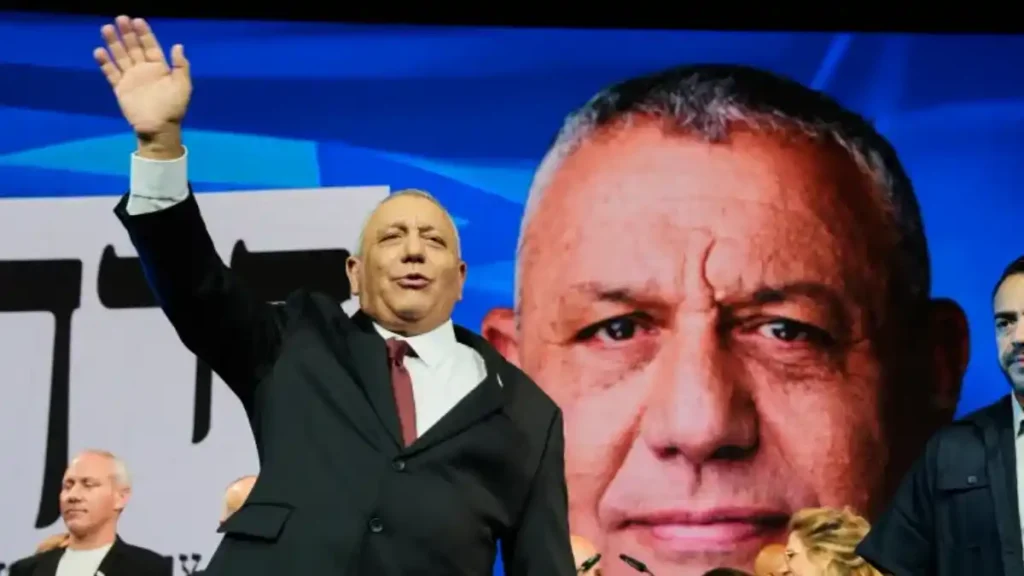
Political leaders offered starkly contrasting interpretations of the preliminary numbers as supporters gathered at party headquarters. Opposition figures argued that the electorate had demonstrated a clear desire for political transition. Addressing his followers, Eisenkot declared, “this will be a new start. A real new start on a new path. The old era is over, and Israel is starting a new era.”
Conversely, the incumbent prime minister emphasized the strength of his political base, asserting that his party remained the dominant force in the legislature and calling for the swift establishment of a unified right-wing administration. Far-right and nationalist faction leaders also celebrated their projected gains, pledging to advance security initiatives and territorial policies in the West Bank.
Voter enthusiasm reached historic levels during the election cycle, with official oversight committees reporting a turnout of nearly seventy-eight percent, marking the highest participation rate recorded in over two decades. Tens of thousands of overseas citizens returned home to cast ballots, while high participation was also documented among military personnel stationed across various regional commands.
The closing hours of the campaign saw heightened political rhetoric, with leaders from Arab-led political lists accusing the incumbent administration of utilizing aggressive messaging to mobilize right-wing constituencies. Despite sharp political polarization, Arab parties recorded strong local engagement and secured significant representation in early projections.
The inconclusive election outcome initiates a high-stakes period of legislative maneuvering and alliance-building across the political spectrum. Once official vote tallies are finalized, the nation’s president will consult with party leaders to select a candidate best positioned to assemble a workable government majority within statutory deadlines.
If coalition negotiations stall, the incumbent administration will continue in a caretaker capacity while the country faces the prospect of protracted political deadlock. The resulting administration will ultimately dictate national defense priorities, economic policy, and regional diplomacy during an exceptionally volatile geopolitical climate.
References / Source Links
- Associated Press (AP): https://apnews.com
- Agence France-Presse (AFP): https://www.afp.com
- Central Elections Committee of Israel: https://www.bechirot.gov.il