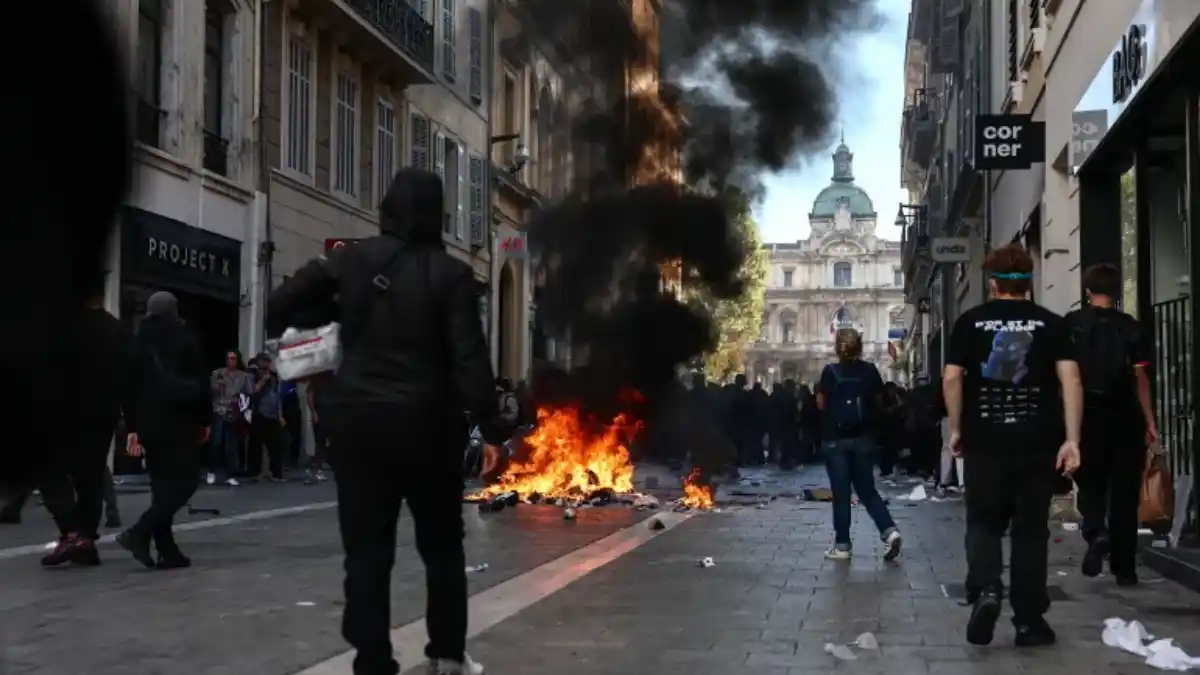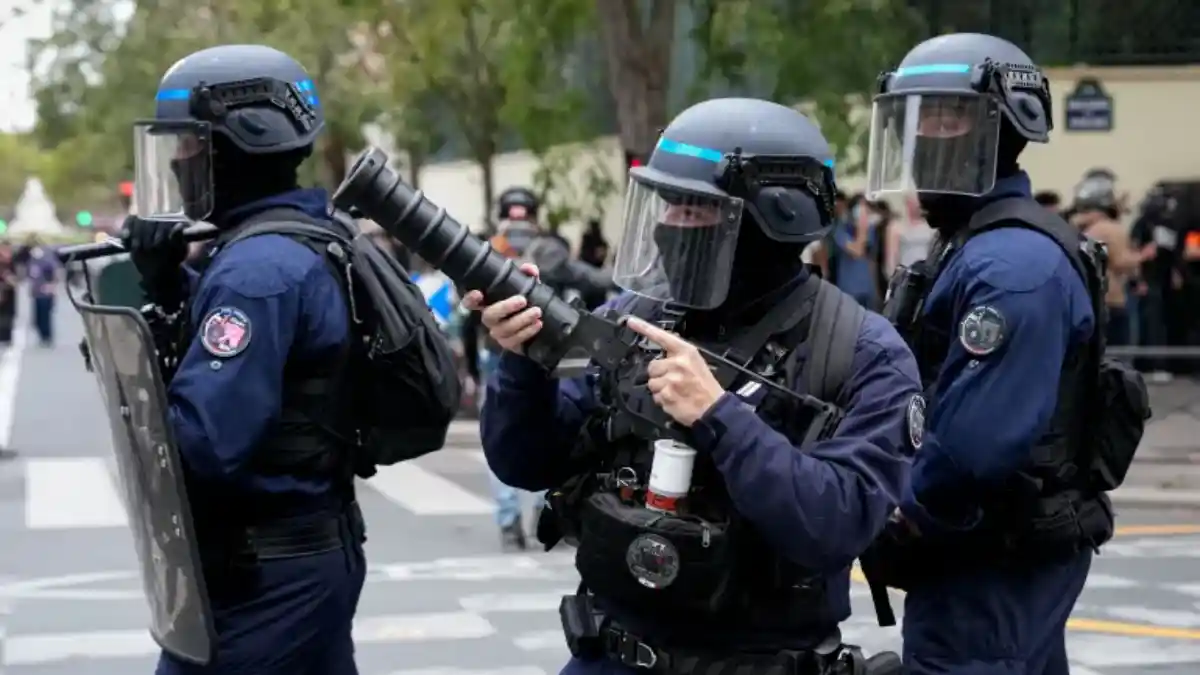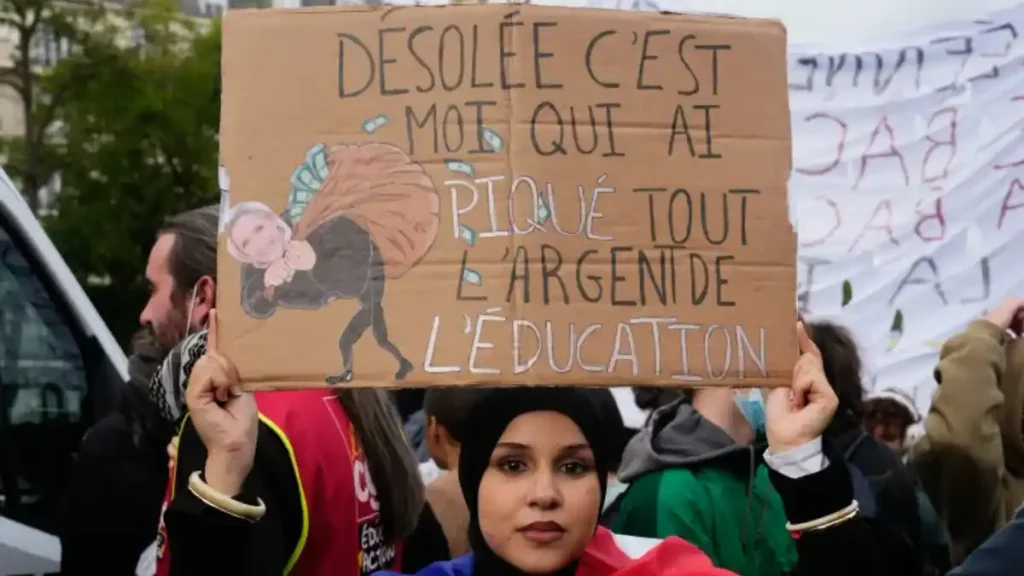
French President Emmanuel Macron hosted high school student representatives at the Elysee Palace on Friday, marking his first direct negotiations with youth leaders since nationwide education protests began in September. The meeting comes as the government prepares for another weekend of widespread demonstrations, with interior ministry officials increasing street police deployments by 20 percent to maintain public order.
High school and university student groups have mobilized across France over deteriorating learning conditions in public schools. Protesters are demanding significant increases in education funding, immediate repairs to crumbling school infrastructure, smaller class sizes, and an emergency resolution to chronic teacher shortages that leave thousands of classrooms without instructors.
Addressing the long-standing frustration felt by youth movement organizers across the country, 18-year-old student activist Soumaya Sarre emphasized the need for tangible policy changes rather than political dialogue. Sarre stated, “For years, we’ve been given promises that were never kept. What we want is for promises to be backed by concrete results. We want to see real change in our high schools.”
Beyond classroom repairs, student organizations are demanding structural changes to the national higher education framework. Student leaders are pushing for a total overhaul of Parcoursup, the national university admissions portal, which critics argue creates unfair barriers for students from lower-income backgrounds. Representatives are also calling for 250,000 new university seats and permanent contracts for teaching staff.
Outlining actionable goals for the ongoing negotiations, student organization president Nathanael Combary stressed that young citizens want a meaningful voice in government decision-making. Combary noted, “It is clear that this crisis points to one thing: a breakdown in dialogue between the government – and politicians in general – and young people. We need a government that listens to us and is capable of responding to our demands.”
The French government faces severe fiscal and political constraints in attempting to resolve the crisis. With national public debt projected to rise above 121 percent of gross domestic product by 2027 and Macron heading a minority government in parliament, officials have limited room to approve massive spending packages. While the government announced 3,000 substitute teachers and a $1.2 billion increase in the education budget, student unions maintain these steps fall short.
Political analysts observe that student anger reflects broader economic anxieties among French youth, including rising living costs and declining social mobility. With a presidential election approaching in six months, regional authorities have imposed strict safety measures, including movement curfews in Paris and protest bans in cities like Marseille and Lyon, to prevent demonstrations from turning violent.
The high-stakes meeting between President Macron and student representatives marks a crucial turning point for the French government as it attempts to restore stability ahead of national elections. If the administration fails to offer convincing solutions on university admissions and school funding during scheduled follow-up talks, youth organizations are likely to expand their street demonstrations and join forces with broader labor unions. However, offering major financial concessions will worsen France’s growing public deficit, creating intense political pressure from opposition parties in parliament. Over the coming weeks, the government’s ability to balance fiscal discipline with meaningful educational reforms will determine whether it can quell youth unrest or face prolonged civil disruption across major cities.
Sources / References
- Al Jazeera English Feature on French Student Protests and Macron Talks
- Official Statements from the French Ministry of National Education and Youth
- Federation of High School Students and Renouveau Lyceen Press Releases