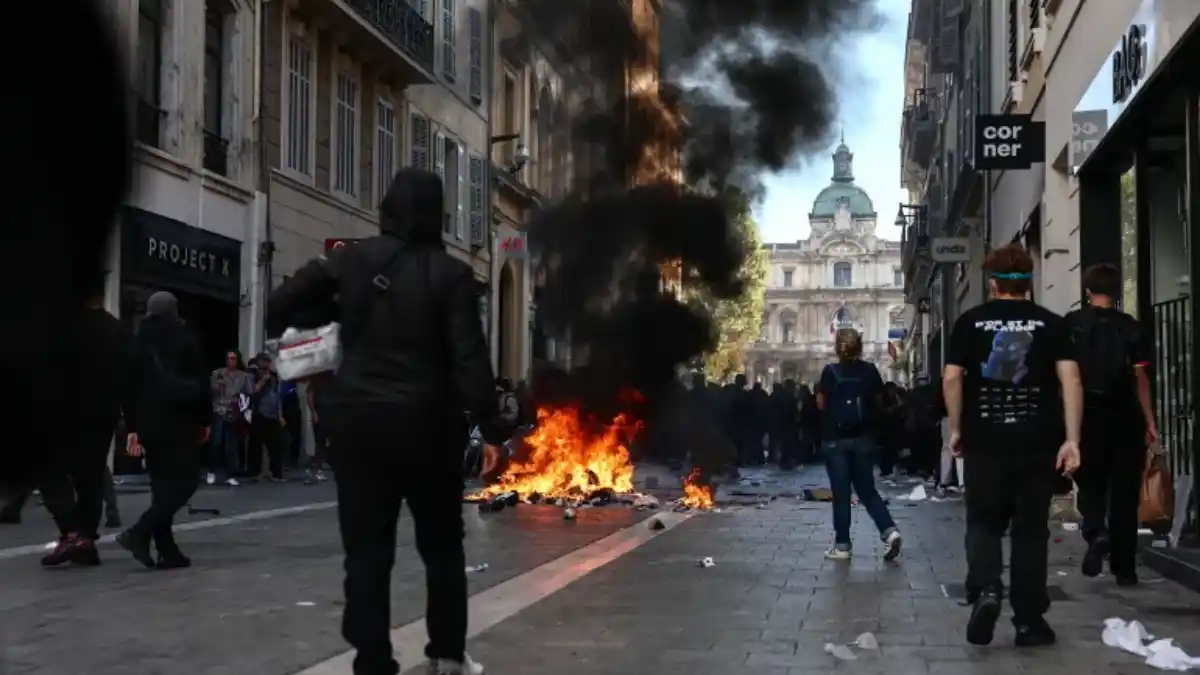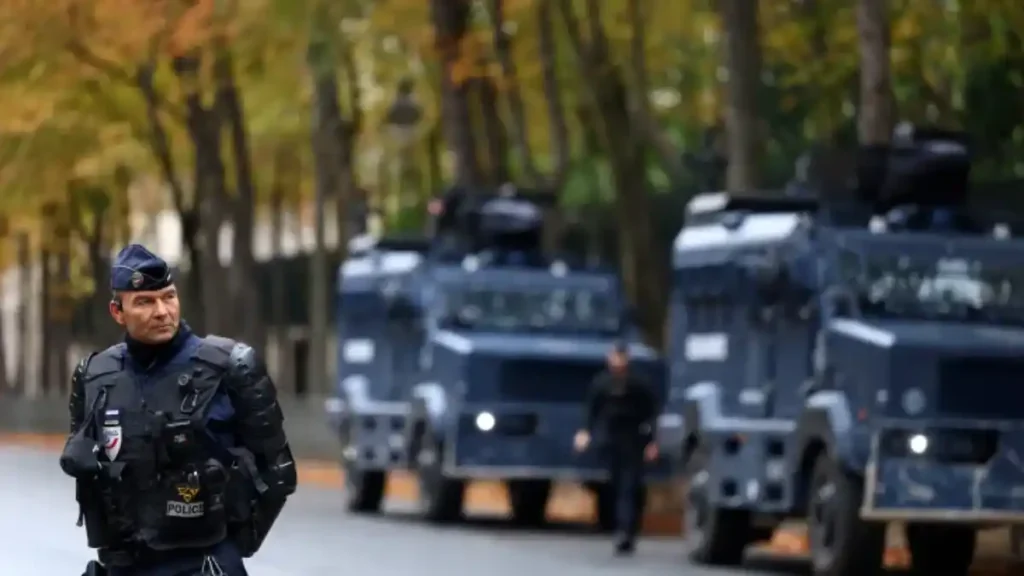
French law enforcement agencies have placed security forces on high alert across the country, mobilizing over 70,000 police officers and gendarmes to manage a fresh wave of nationwide demonstrations. State authorities are taking extensive preventative measures following the violent unrest of October 17, during which previous demonstrations resulted in widespread property destruction, looted commercial storefronts, and over 2,000 arrests.
To prevent further riots, French Interior Minister Laurent Nunez expanded law enforcement presence by 20 percent compared to the prior week. The security framework includes specialized tactical units, such as the RAID counterterrorism force, which will provide operational support to primary crowd control teams.
Alongside the heavy security deployment, regional authorities implemented strict territorial bans on public gatherings across major metropolitan centers. Under directives from President Emmanuel Macron, local prefectures restricted marches in the city centers of Rouen, Nice, and Montpellier, while forcing Paris organizers to relocate their primary demonstration route to the outer boulevards near the edge of the capital.
The administrative restrictions and forced route adjustments drew immediate pushback from human rights groups and civil liberties advocates. Criticizing the government’s approach to assembly rights, Amnesty International France condemned the strict security posture, stating, “This security escalation comes at the expense of our freedoms, seriously endangering the right to demonstrate peacefully and raising fears of a further escalation of violence in our country.”
In response to the security measures, major cultural institutions, including the Louvre Museum, the Musee d’Orsay, and the Art Basel Paris fair, suspended public operations for the weekend. Commercial businesses across central Paris installed protective wooden barricades over storefront windows, while transit authorities closed at least 24 metro stations upon request from the police prefecture.
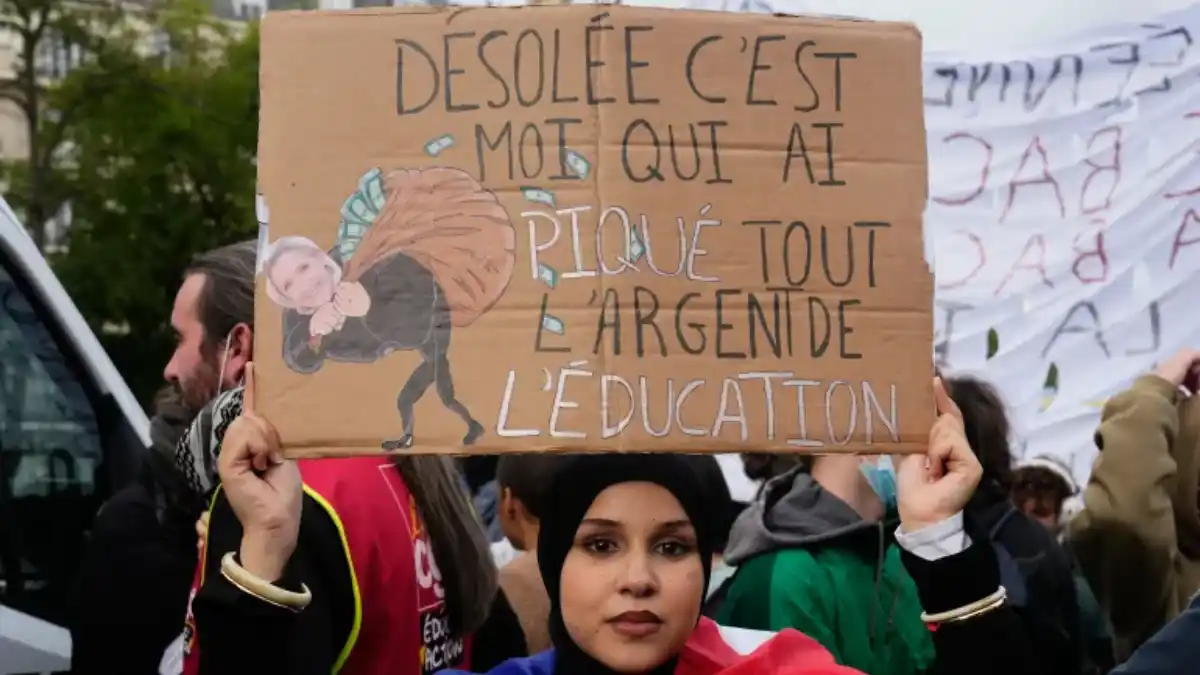
The civil movement initially erupted in mid-September over high school conditions, overcrowded classrooms, and systemic inequities within the Parcoursup university admissions portal. However, student demands quickly expanded into a broader political campaign against rising living costs, economic inequality, and the current presidential administration.
Although President Macron conducted his first direct meeting with student movement representatives on Friday, talks failed to defuse public frustration. Student organizations urged followers to continue street mobilizations until the government implements binding structural reforms.
The ongoing confrontation between protesters and the French government marks a critical period as the nation approaches a pivotal presidential election cycle. With public discontent extending beyond educational grievances to broader economic pressure, the heavy deployment of 70,000 security officers underscores the fragile state of domestic stability. If police bans fail to prevent urban clashes or if negotiations remain stalled, student groups and labor unions are likely to expand coordinated strikes into key economic sectors.
Furthermore, prolonged civil unrest could strengthen opposition parties making law-and-order promises ahead of upcoming political campaigns. Over the coming weeks, the administration’s capacity to balance public security with meaningful economic policy updates will determine whether social tensions ease or spiral into deeper national crisis.
References / Source
- Al Jazeera English Report on French Mass Protests and Security Mobilization
- Official Security Bulletins from the French Ministry of the Interior and Paris Police Prefecture
- Public Statements and Press Releases from Amnesty International France