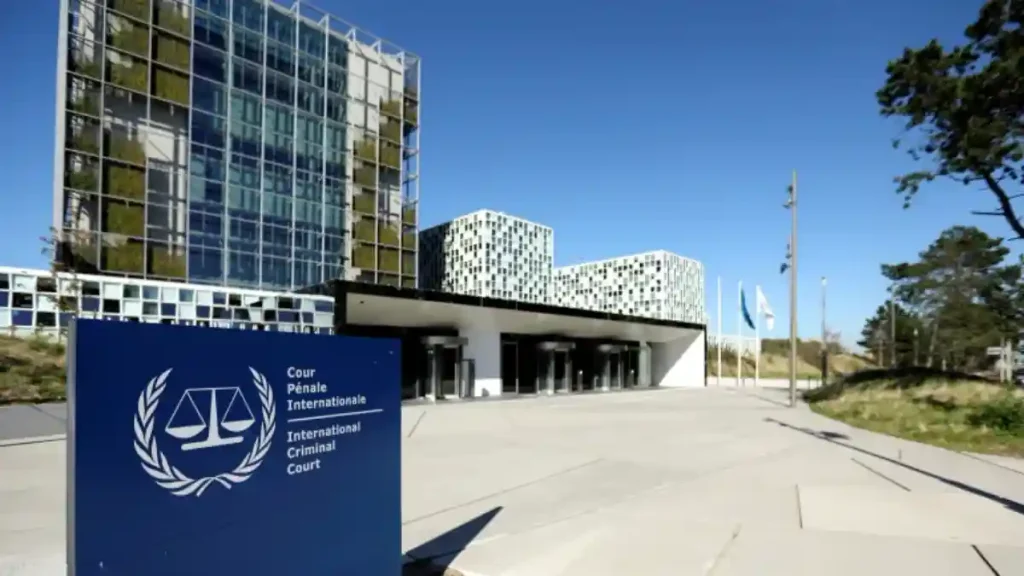
The European Union has awarded its highest human rights accolade, the Sakharov Prize, to the International Criminal Court. The decision comes less than two weeks after US President Donald Trump announced severe sanctions targeting the Hague-based tribunal. This award represents the second major international honor for the war crimes tribunal this month, following former ICC Judge Navi Pillay receiving the Nobel Peace Prize for her contributions to international law.
European leaders reaffirmed their commitment to global judicial independence while announcing the honor in Brussels. European Parliament President Roberta Metsola highlighted the core principles behind the decision, stating, “The European Union is built on respect for multilateralism and international institutions, and this prize recognises the important work of the court in upholding international law and justice.”
Responding to the award, the court expressed gratitude to European lawmakers during a period of rising political pressure from Washington. ICC President Tomoko Akane noted the timely nature of the gesture, saying, “Against this backdrop, the Sakharov Prize carries particular significance, reaffirming the importance of independent judicial institutions and of those who work to uphold international law.”
Tensions between the United States and the tribunal intensified significantly following the court’s 2024 issuance of arrest warrants for Israeli Prime Minister Benjamin Netanyahu and former Defense Minister Yoav Gallant. In response, the Trump administration pledged to dismantle the judicial body, introducing measures designed to restrict its daily financial and operational capabilities. The tribunal prosecutes individuals accused of genocide, war crimes, and crimes against humanity.
Outlining the federal government’s policy posture against the international court, US Secretary of State Marco Rubio defended the sanctions in a public message. Rubio stated, “We will ban transactions with this rogue court, cutting off their resources and crippling their ability to operate against us because our message is clear: the United States and the American people are not subject to the jurisdiction of this fake ICC.”
The United States measures extend beyond the institution itself, targeting individual ICC judges, prosecutors, a United Nations special rapporteur, and Palestinian human rights groups that submitted evidence to the tribunal. In response, European Union officials pledged to protect the court before the six-month grace period on US sanctions expires. EU chief Ursula von der Leyen publicly emphasized that, “The International Criminal Court must be free to pursue its mission, independently, and without pressure or intimidation.”
The European Union’s decision to grant the Sakharov Prize to the International Criminal Court sets up a major diplomatic confrontation between Brussels and Washington. By defending the Hague-based tribunal, European leaders are taking a firm stance in favor of global rules and international justice systems. Over the coming months, European diplomats will attempt to negotiate with American officials while considering protective laws to shield court employees from financial penalties. If the United States proceeds with these sanctions, it could disrupt international cooperation on major war crimes investigations. Ultimately, this ongoing clash will test the durability of international judicial bodies in an increasingly divided geopolitical landscape.
Sources / References
- Al Jazeera Report on ICC Winning the EU Sakharov Prize
- Official Press Release, European Parliament Sakharov Prize Announcement
- Statements from US Department of State and International Criminal Court Presidency