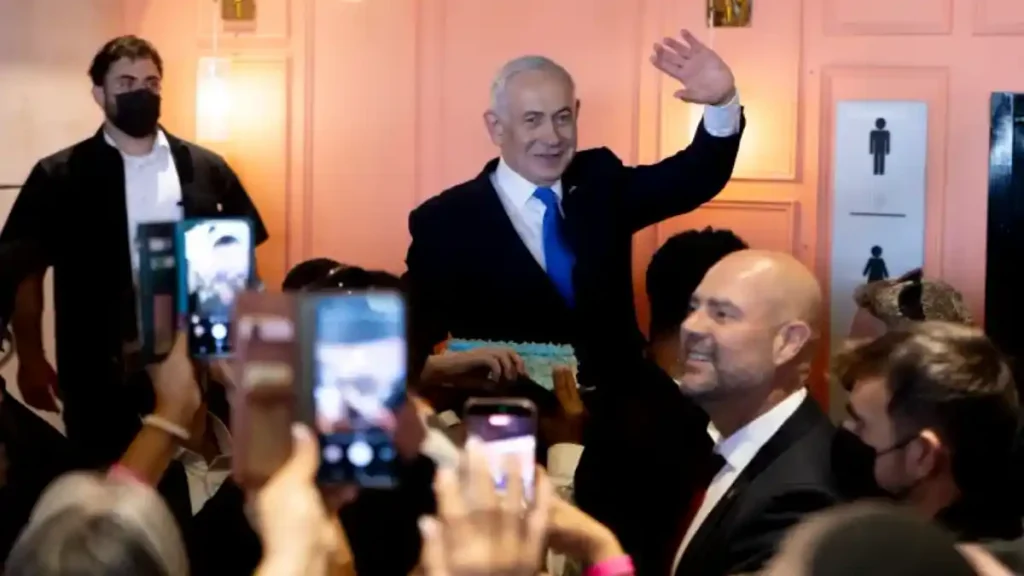
Israelis are set to vote on October 27 in a high-stakes parliamentary election that will determine all 120 seats in the Knesset. This election represents the first national ballot since the October 7, 2023 attacks and the subsequent regional military conflicts. The vote poses a significant test for Prime Minister Benjamin Netanyahu’s prolonged tenure, as recent polling indicates a narrow contest between his ruling coalition and a coalition of opposition parties.
Under Israel’s proportional representation electoral system, no single political party has ever secured an outright 61-seat majority independently. As a result, forming a government requires post-election negotiations to assemble a viable governing coalition. Recent surveys project the Jewish-led opposition alliance at 52 seats, while Netanyahu’s religious-nationalist coalition is projected at 50 seats, placing significant strategic leverage on smaller factions and Arab-led parties.
Exploring the primary political paths forward, analysts highlight the potential for Netanyahu to assemble a government by securing support from traditional far-right and ultra-Orthodox partners. Alternatively, four major opposition parties signed a non-aggression pact in late September to unseat the incumbent prime minister.
Aligning behind a shared platform, the rival movements—the Yashar party, the Democrats, the Yisrael Beytenu party, and the Together alliance stated that they are united in their goal to “preserve and strengthen Israel as a Jewish and democratic state.”
Potential leadership candidates for the opposition alliance include former army chief Gadi Eisenkot of the Yashar party and former Prime Minister Naftali Bennett of the Together alliance. However, achieving a functional 61-seat majority may require navigating complex negotiations with Palestinian-led parties representing Arab citizens of Israel, such as Ra’am and the Joint List, which are projected to hold roughly 13 seats combined.
If primary negotiations stall, political leaders could consider alternative governing arrangements, including a minority administration backed by external parliamentary support, a broad national unity government, or a rotating premiership similar to past power-sharing agreements. Should no candidate successfully assemble a majority coalition within the statutory timeframe, Israel risks entering another period of political deadlock, triggering repeat elections while Netanyahu remains as caretaker prime minister.
The outcome of the October 27 election will directly shape Israel’s domestic policies, judicial framework, and security posture across the Middle East. Whether Netanyahu retains executive power or an opposition coalition takes office will determine the government’s approach to regional diplomacy, defense strategies, and economic recovery following months of conflict.
Additionally, the post-election coalition building will test the influence of minority and Arab-led parties in shaping national governance. The stability of the next administration will decide whether Israel establishes a clear legislative agenda or faces ongoing political uncertainty.
References / Source Links
- Al Jazeera English Analysis of Israeli Election Scenarios
- Central Elections Committee Official Dispatches and Knesset Electoral Archives
- Datafolha and Public Opinion Polling Bulletins on Israeli Parliamentary Trends