An accelerating economic emergency across Sudan is placing unprecedented financial pressure on millions of citizens. Severe fuel shortages and soaring energy prices continue to disrupt daily routines, turning routine transit and basic business operations into major financial hurdles for local workers and small enterprises.
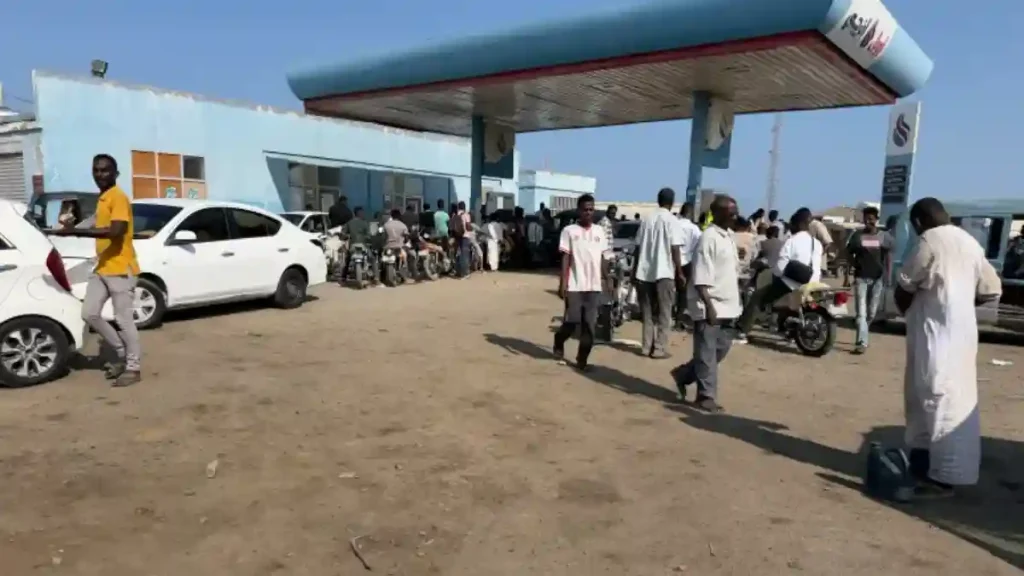
Public transit operators are among the hardest hit by the growing shortage. Drivers operating regional routes report spending hours in long queues at filling stations, often finding supplies exhausted before reaching the pump. The severe time lost to refuel forces drivers to extend their workdays late into the night simply to generate enough daily income for essential household expenses and university tuition.
Describing the daily strain on transit workers, minibus driver Azhari Mohamed stated, “We can no longer work because of the fuel shortages. The transport fares are no longer enough to cover the cost of running the vehicle and our household expenses.”
In response to rising operational expenditures, official transit associations implemented significant fare hikes, increasing intercity transit charges by up to forty percent. For everyday wage earners, these adjustments represent a crippling burden. Essential workers, including cleaners and service staff, report spending nearly half of their total monthly earnings solely on commuting, forcing many to reduce workdays or take on personal debt to cover travel costs.
The underlying causes of the energy crisis stem from extensive conflict-related damage to domestic refining facilities and primary oil fields. With national fuel production sharply reduced, the country has become heavily dependent on international petroleum imports during a period of broader global energy market volatility.
Economic analysts point out that strict administrative requirements on fuel importers have further restricted market supply. Financial mandates requiring gold deposits and dedicated storage facilities led to the exit of several private import firms, creating a demand imbalance across key commercial centers. Local market traders report that higher transport costs and frequent electrical grid outages have inflated raw material prices and slowed distribution, leaving goods stalled in regional hubs.
The ongoing fuel crisis in Sudan highlights how energy supply disruptions ripple directly through a nation’s foundational economy. As transport costs mount and daily incomes decline, millions of working households face compounding hardship that threatens basic living standards. Restoring stability will require strategic policy adjustments to ease import bottlenecks and protect vital supply chains. Without structural relief and infrastructure stabilization, persistent fuel shortages risk stalling local commerce and deepening regional economic distress across the country over the coming months.
References / Source Links
- Al Jazeera: https://www.aljazeera.com
- United Nations Development Programme (UNDP): https://www.undp.org
- World Bank: https://www.worldbank.org