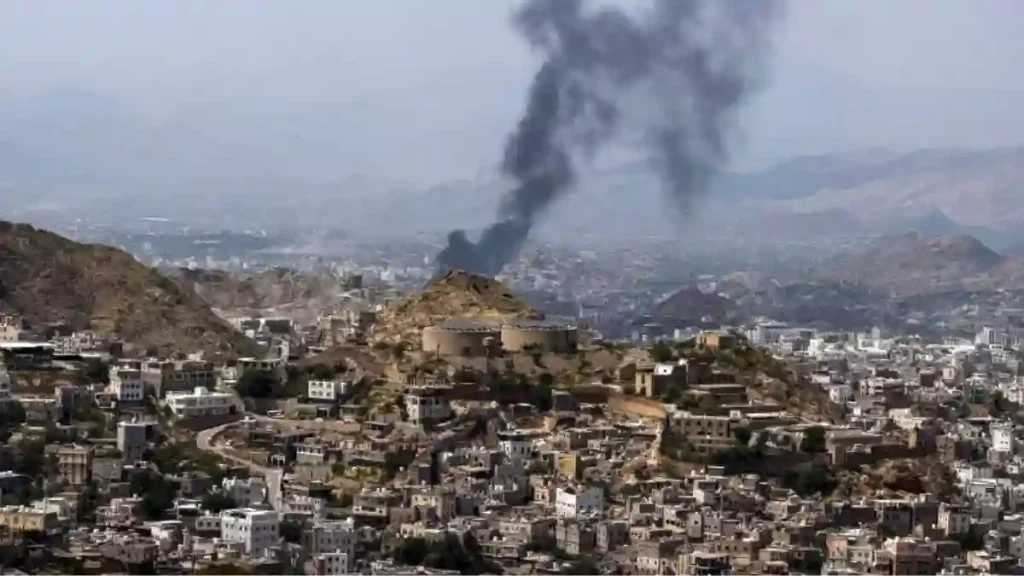
A major healthcare crisis is unfolding in the besieged Yemeni city of Taiz, where medical facilities face complete operational failure due to severe supply blockades. The Republican Hospital, a primary medical center in the government-held city, warned that lifesaving treatments could cease within days as fuel, specialized medicines, and oxygen stocks reach dangerously low levels.
The renewed blockade began in early October following armed advances by Houthi forces in the surrounding countryside. The closure of critical transport routes, particularly the main commercial highway linking Taiz to the southern port city of Aden, has prevented routine deliveries of essential medical supplies and petroleum products needed to operate facility power generators.
The shortage of specialized dialysis solutions has forced doctors to dramatically alter treatment schedules for hundreds of patients suffering from kidney failure. Describing the severe operational adjustments required to keep the facility open, Dr Essam Mahyoub Dahan, director of the dialysis center, detailed the dire circumstances facing medical staff. Dahan stated, “Because of the siege and the shortage of diesel and medical solutions, we have recently been forced to reduce dialysis sessions from four hours to just two and a half. We know this is not adequate, but we have no choice if we are to keep the centre operating for as long as possible before it shuts down completely.”
Across the broader Taiz governorate, health officials estimate that more than 1,100 kidney disease patients depend on daily dialysis services that are now severely compromised. Regional health authorities noted that scheduled quarterly deliveries of medical solutions failed to arrive, leaving centers to rely on dwindling local reserves.
The lack of diesel fuel presents an immediate threat to overall hospital operations across the city. Because public power infrastructure suffered extensive destruction during 11 years of conflict, medical centers rely entirely on heavy-duty diesel generators to power intensive care units, operating rooms, and neonatal incubators.
Hospitals are currently forced to procure fuel on the black market at inflated prices up to five times higher than standard rates. Officials warned that these unsustainable costs have already forced several departments to suspend non-emergency medical services and laboratory diagnostics.
International health agencies have voiced deep concern over the escalating humanitarian emergency. The World Health Organization reported that 42 health facilities across Taiz city are experiencing critical shortages, warning that a lack of fuel also threatens municipal water pumping, vaccine refrigeration, and medical oxygen production plants.
Human rights organizations and the United Nations have issued urgent appeals to open humanitarian corridors into Taiz. The disruption of healthcare services in Taiz highlights the severe human cost of conflict-driven blockades on civilian populations. With hospitals running on emergency measures, the continued obstruction of fuel and medical shipments risks causing preventable deaths among critical care patients.
International human rights groups and global health bodies will likely intensify pressure on regional leadership to grant immediate, unhindered access for humanitarian aid. Over the coming days, securing emergency fuel reserves and medical deliveries remains vital to preventing a complete shutdown of healthcare facilities across the governorate. Ultimately, establishing reliable supply lines is essential to keeping life-sustaining medical equipment operational and protecting vulnerable patients.
References / Source
- Al Jazeera English Report on Taiz Hospital Crisis and Houthi Siege
- World Health Organization (WHO) Emergency Situation Bulletins on Yemen
- Amnesty International Press Releases on Taiz Access Corridors