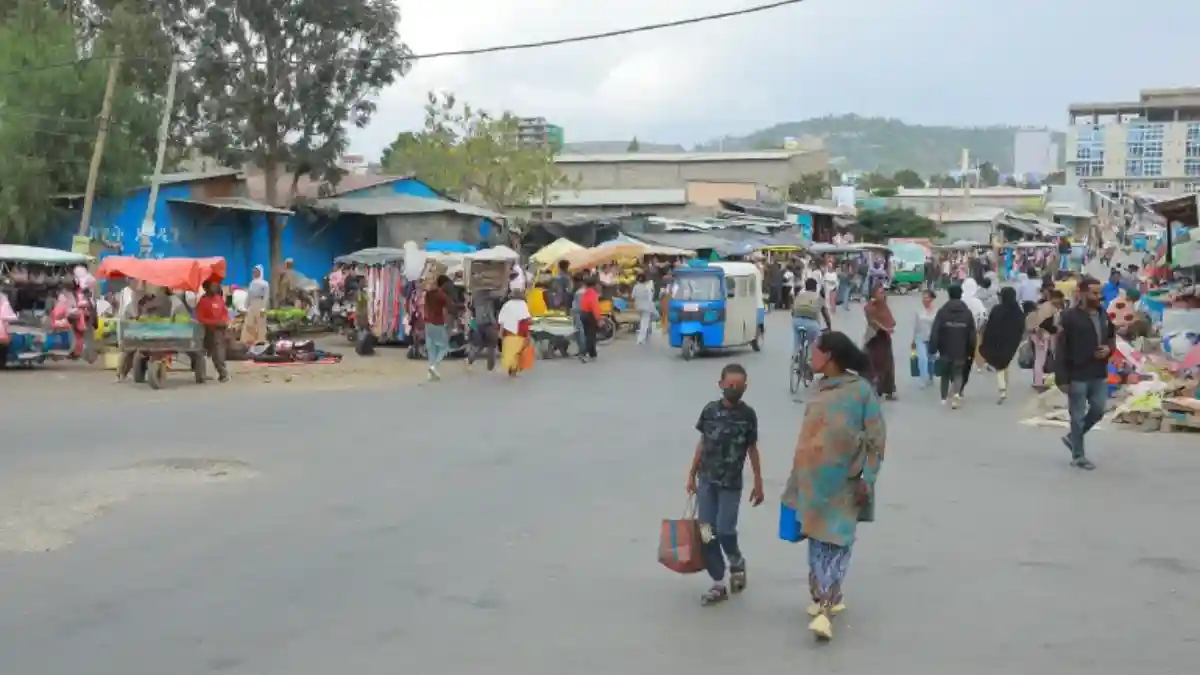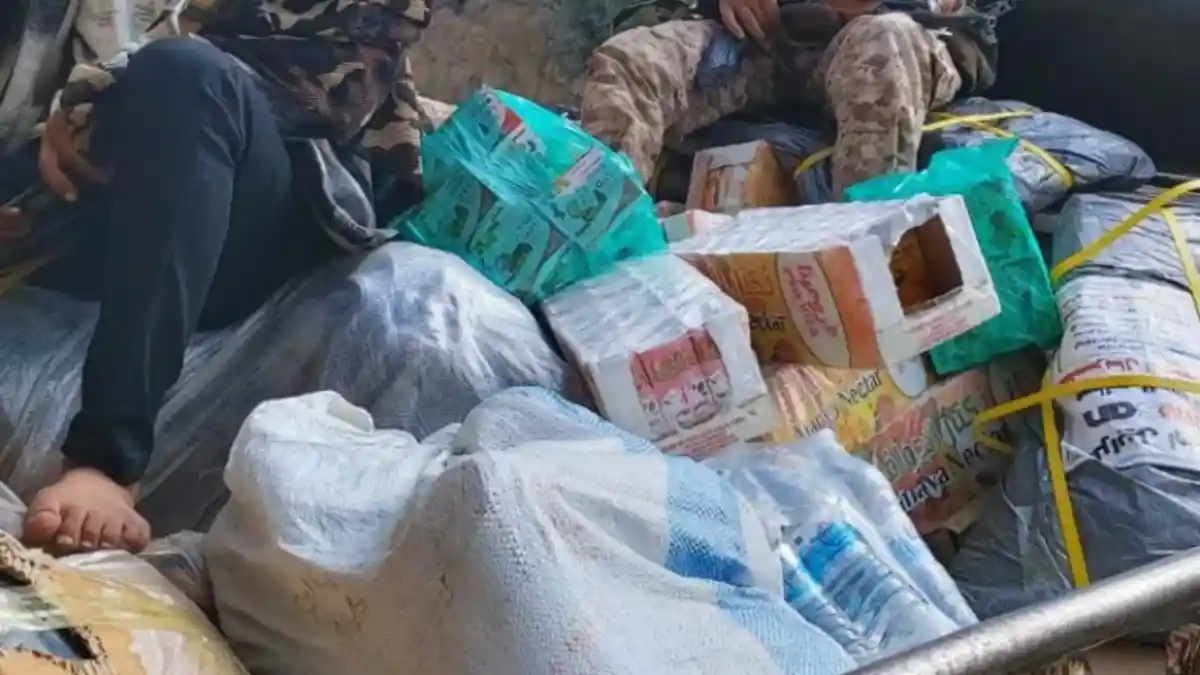
Displaced Palestinian families across the occupied West Bank are experiencing severe food shortages following major budget cuts by the United Nations World Food Programme. The humanitarian agency reduced its assistance by 50 percent across the region, citing critical international funding deficits at a time when local food insecurity has reached unprecedented levels.
The sharp reduction in international aid leaves over 900,000 residents struggling to secure basic daily nutrition. Military operations, home demolitions, and ongoing land disputes have forcibly displaced tens of thousands of Palestinians from refugee camps in northern cities like Tulkarem, forcing vulnerable families into overcrowded temporary shelters without reliable sources of income.
Elderly residents and individuals with severe medical conditions face the greatest hardship, as meager savings are quickly exhausted on essential prescriptions rather than food. Describing the daily reality of her living situation after being displaced from the Tulkarem refugee camp, 75-year-old widow Fawza Awad highlighted her family’s complete loss of support. Awad stated, “I suffer from asthma and high blood pressure, requiring monthly medication that costs at least 200 shekels ($64), an expense no one covers for me. We used to receive modest food aid barely enough for two or three people, but now that has stopped completely.”
The food crisis is compounded by a broader economic collapse across the occupied territories. According to recent World Food Programme assessments, 76 percent of Palestinian households in the West Bank have suffered a major drop in income. Furthermore, 12 percent of the population now experiences poor food consumption, while one-third of families cannot afford a nutritional diet.
Explaining the administrative drivers behind the widespread suspensions, the World Food Programme clarified that aid cancellations were dictated by fiscal constraints rather than individual eligibility criteria. The agency noted, “The cessation of aid does not imply that a beneficiary is ineligible; rather, it is a broad decision affecting all current beneficiaries, regardless of the outcome of their individual assessment.”
Economic experts point out that the aid reduction coincides with severe financial restrictions on the Palestinian Authority, which has been unable to pay full public sector salaries due to withheld customs revenues. Additionally, the cancellation of work permits for tens of thousands of laborers previously employed inside Israel has eliminated primary household incomes, leaving families entirely dependent on shrinking charitable networks.
With international non-governmental organizations facing regulatory hurdles and reduced budgets, local relief agencies warn that aid suspensions will accelerate hunger across rural and displaced communities.
The ongoing reduction in UN food aid threatens to deepen the humanitarian crisis across the occupied West Bank, pushing vulnerable families closer to severe malnutrition. Without immediate international intervention to fill the World Food Programme’s budget deficit, hundreds of thousands of displaced residents will remain without basic food assistance. The loss of financial support, combined with high unemployment and rising medical costs, risks triggering widespread public health emergencies in overcrowded shelters.
Over the coming months, global relief organizations will face mounting pressure to restore funding channels and prevent total economic collapse. Ultimately, securing stable humanitarian aid pipelines remains critical to keeping families fed and supporting basic human survival across the region.
Sources / References
- Al Jazeera English Report on West Bank Food Aid Cuts
- Official Food Security Analysis Bulletins, UN World Food Programme (WFP)
- Economic and Humanitarian Impact Statements from Palestinian Rights Groups