The journey from Malaga inland toward the Guadalhorce Valley reveals a landscape where history echoes in everyday names. Passing through stations like Aljaima—derived from the Arabic al-khaima, meaning “the tent”—and Alora, whose ancient name hints at light, travelers enter a region deeply marked by its medieval Islamic past. In the mountains above Alora, British-Hungarian Muslim Henrietta Szovati and her husband, Ajmal Masroor, have spent the last two years transforming an old farmhouse and its surrounding olive groves into the House of Andalus.
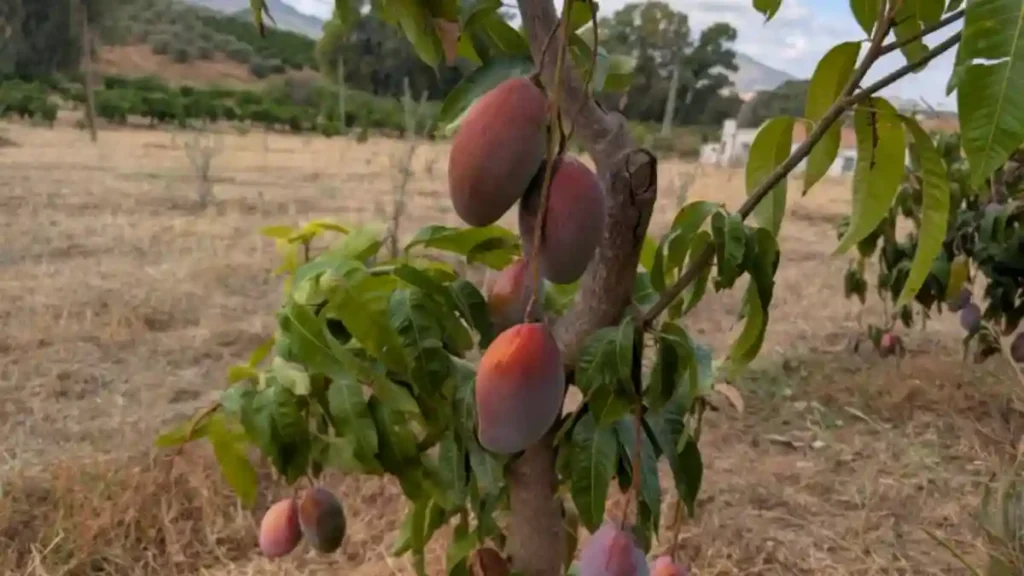
The project aims to reconnect visitors and residents with southern Spain’s rich heritage and natural environment. Surrounded by olive trees, pomegranates, and citrus orchards, Szovati reflects on finding a place where she feels truly at home, noting that practicing her faith here feels natural and unburdened by the political scrutiny she experienced in Britain.
For centuries, Islamic rule shaped the Iberian Peninsula, leaving behind architectural marvels, intricate tilework, and advanced agricultural irrigation channels known as acequias. Scholars and historians note that Al-Andalus holds an almost legendary status in the Muslim imagination, offering European Muslims a vital historical anchor.
By establishing roots in southern Spain, modern families seek to integrate their faith into Europe’s broader cultural narrative rather than viewing it as a recent arrival. Projects like the House of Andalus provide a physical space for cultural exploration, hosting retreats, planting Quranic gardens, and fostering interfaith community connections.
The welcoming spirit of rural Andalusia is reflected in everyday neighborhood interactions. Szovati describes warm relationships with local farmers, such as Juan Garcia, where differences in religious beliefs dissolve into mutual respect and neighborly cooperation. This sense of belonging extends across generations. In Alora, elderly residents carry forward culinary traditions like sopas perotas, a hearty bread and vegetable soup whose roots food historians trace back to medieval Andalusian dishes. These ordinary cultural exchanges help bridge the gap between historical memory and contemporary Spanish life.
Further east in Granada, the historic Albaicin neighborhood overlooks the illuminated towers of the Alhambra, a breathtaking testament to Nasrid architecture and artistry. Nearby, the Great Mosque of Granada stands as a milestone of modern Muslim community revival, opened in 2003 after decades of fundraising and legal perseverance.
Residents like Munira Mendonca, an American-born master artisan specializing in traditional Cordoban leatherwork, arrived in Spain decades ago seeking a simpler, more communal way of life. Over the years, European converts, university students, and families from North Africa and beyond have woven themselves into the fabric of Andalusian society.
In the mountainous Alpujarras region, towns like Orgiva host an international mix of residents drawn by the relaxed pace of life and affordable rural living. Medina Tenour Whiteman, an author and teacher born in Granada to British convert parents, tends to her garden while exploring the sacred ecology of Al-Andalus.
While recognizing that minority experiences can vary based on background and race, she emphasizes that learning the local language and engaging genuinely with neighbors are essential to building lasting community. What began for many as a spiritual or historical search has evolved into an ordinary, lived reality.
The growing presence of Muslims in southern Spain highlights a meaningful cultural reconnection with Europe’s pluralistic past. By bridging centuries-old heritage with modern community building, residents in Andalusia demonstrate how historical awareness can foster cross-cultural understanding.
As families establish deep roots in rural and urban spaces alike, they enrich the social fabric of modern Spain while redefining what it means to belong in contemporary Europe. This grassroots integration offers a powerful counter-narrative to political polarization, proving that shared human experiences and mutual respect can transcend religious and cultural divides.
References / Source Links
- Al Jazeera English Feature on Muslims Finding Belonging in Southern Spain
- Historical and Architectural Archives on Al-Andalus and Iberian Heritage