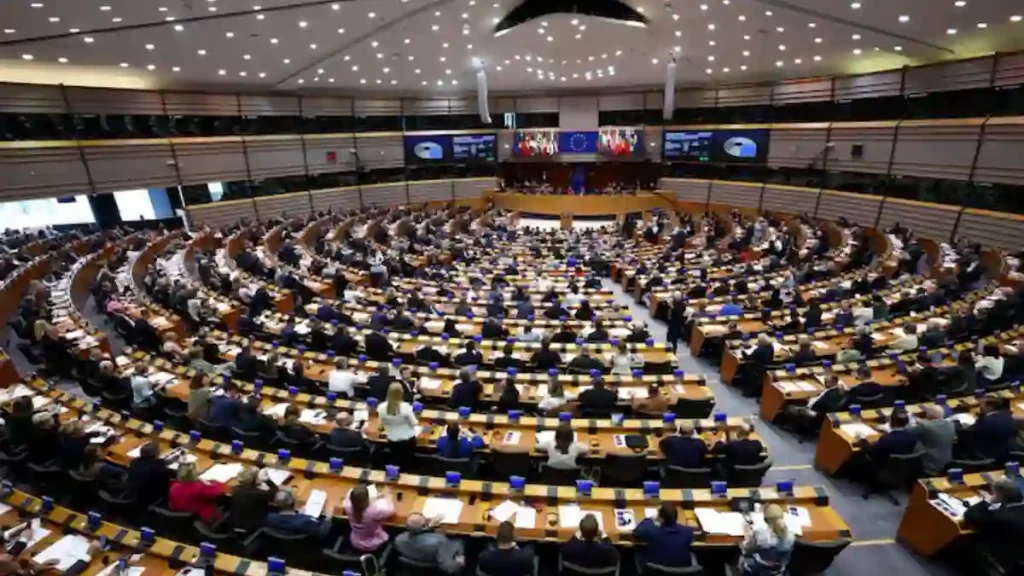
The European Parliament voted on Thursday to approve a three-year extension to the implementation timeline for its strict methane emission regulations on imported oil and gas. The parliamentary decision represents a significantly longer postponement than previously anticipated, following intense diplomatic and corporate lobbying from foreign governments, including the United States and France.
Until recent weeks, European Union institutions were preparing to pass a modest one-year delay. However, sustained pressure from national governments across the bloc, led by Italy and the Czech Republic, successfully shifted the consensus toward a broader three-year postponement.
The environmental framework, which was originally scheduled to take effect on January 1, 2027, mandates that foreign energy exporters to European markets track and report emissions of methane, a potent greenhouse gas. Under the original guidelines, non-EU suppliers failing to meet strict monitoring standards faced potential restrictions on selling their energy resources within the bloc.
The United States, which serves as Europe’s primary supplier of liquefied natural gas, formally cautioned European officials in June that strict enforcement could disrupt transatlantic energy deliveries. Major multinational energy corporations, including ExxonMobil, echoed these concerns, arguing that rapid implementation threatened regional fuel security and supply stability.
European lawmakers clarified the updated compliance timeline in an official statement outlining the parliament’s adopted position. Explaining the legal parameters of the revised schedule, lawmakers said in a statement, “Under Parliament’s proposal, importers of crude oil, natural gas and coal would have until May 31, 2031, to show that supply contracts concluded or renewed since August 4, 2024 cover only fuel subject to monitoring, reporting and verification measures equivalent to EU rules.”
Methane represents the second-largest driver of global climate change after carbon dioxide, making emissions tracking a central pillar of international climate policy. Following Thursday’s vote, members of the European Parliament must enter final trilogue negotiations with individual EU member state governments to formalize the final statutory deadline.
Postponing EU methane rules highlights the ongoing tension between Europe’s ambitious climate targets and its immediate energy security needs. By granting international fuel exporters extra time to establish equivalent emissions monitoring systems, European leaders are prioritizing stable supply chains over immediate environmental enforcement. Moving forward, attention will turn to negotiations between the European Parliament and member state governments to finalize the exact compliance deadline. Over the coming years, global energy producers must still invest heavily in leak detection and emissions verification technology to maintain long-term access to European markets. How effectively foreign suppliers adapt to these delayed requirements will determine whether the EU can achieve its broader net-zero commitments without triggering regional energy shortages.
Sources / References
- Reuters News Report on EU Parliament Voting to Delay Methane Import Rules
- Official Press Release and Legislative Documents from the European Parliament
- Statements from the US Department of Energy and ExxonMobil on Transatlantic LNG Deliveries