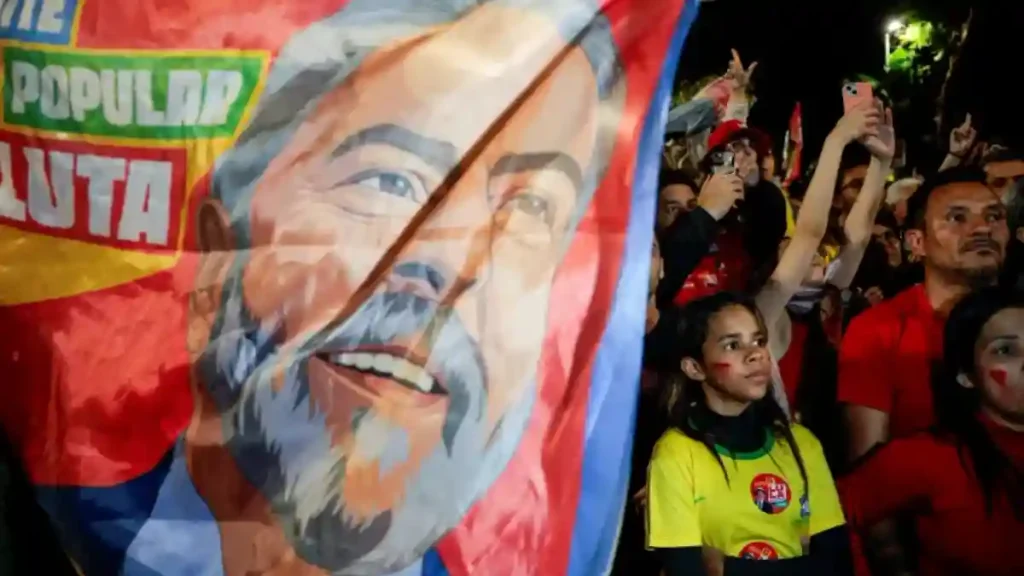
The recent electoral triumph of Luiz Inacio Lula da Silva in securing an unprecedented fourth presidential term has resonated far beyond South America. Across developing nations, the outcome brought immense relief, averting a potential internal rupture within the BRICS economic alliance at a time when Western powers seek to reassert global influence.
A victory by his challenger would have likely steered Brazil toward closer alignment with Washington and raised doubts about the country’s continued commitment to the multi-nation grouping. As a founding architect of the bloc, Lula’s return ensures that Brazil remains a reliable proponent of multipolar governance, reinforcing cooperation on trade and alternative financial frameworks.
Reflecting on the geopolitical significance of the election, Esmat Zaidan, professor of public policy at Qatar’s Hamad Bin Khalifa University, told Al Jazeera:
“The victory of Lula is important to BRICS’ political continuation in the current climate as it seeks to increase the bloc’s role and make it stronger in global governance.”
While the election result preserves political continuity, analysts note that the alliance continues to encompass diverse and sometimes competing national interests. Because key decisions within the group require absolute consensus, the presence of a committed founding member prevents internal policy friction and maintains cooperative momentum.
Beyond internal cohesion, the political shift highlights a broader desire among emerging economies to expand their diplomatic maneuverability. Rather than seeking direct confrontation with Western powers, nations across the Global South aim to diversify partnerships and reduce over-reliance on a single currency or political center.
This strategic autonomy extends into economic policy, particularly regarding international trade settlements. With Latin America’s largest economy firmly in support, member nations can continue gradual efforts to expand local currency transactions and reduce dollar dependency through established financial mechanisms like the New Development Bank.
The re-election of Luiz Inacio Lula da Silva preserves vital political cohesion within the BRICS alliance, empowering emerging economies to pursue greater strategic autonomy in global trade and governance.
By maintaining Brazil’s active participation, the bloc can advance practical financial cooperation, including local currency settlements, without provoking direct confrontation with traditional Western powers. As international relations shift toward a multipolar framework, how developing nations navigate these competing economic pressures will shape global financial stability and diplomatic alliances for years to come.
References / Source Links
- Al Jazeera: https://www.aljazeera.com
- Foreign Policy in Focus: https://fpif.org
- Hamad Bin Khalifa University: https://www.hbku.edu.qa