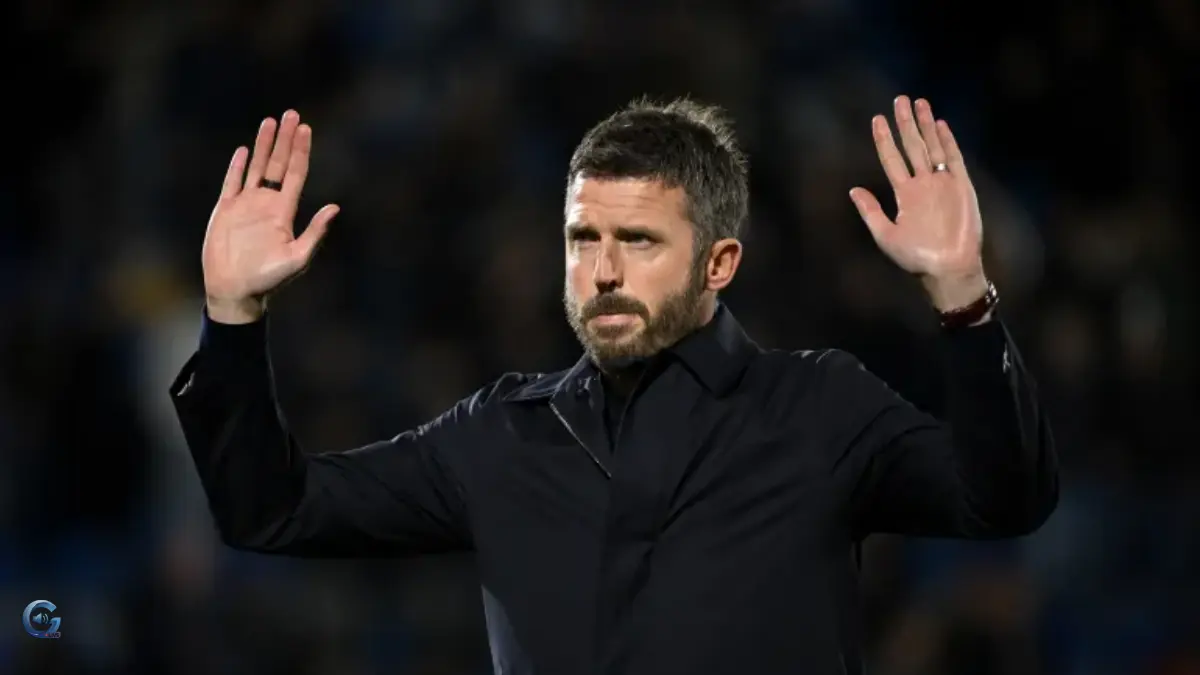
The managerial landscape at Old Trafford faces continuous scrutiny as executive leadership evaluates potential successors amid mounting pressure on the current coaching staff. Since co-owner Sir Jim Ratcliffe acquired his stake in the institution, strategic discussions have frequently revolved around establishing a competitive British core. While initial plans favored different managerial profiles, current sporting difficulties have prompted decision-makers to explore alternative candidates with proven domestic track records.
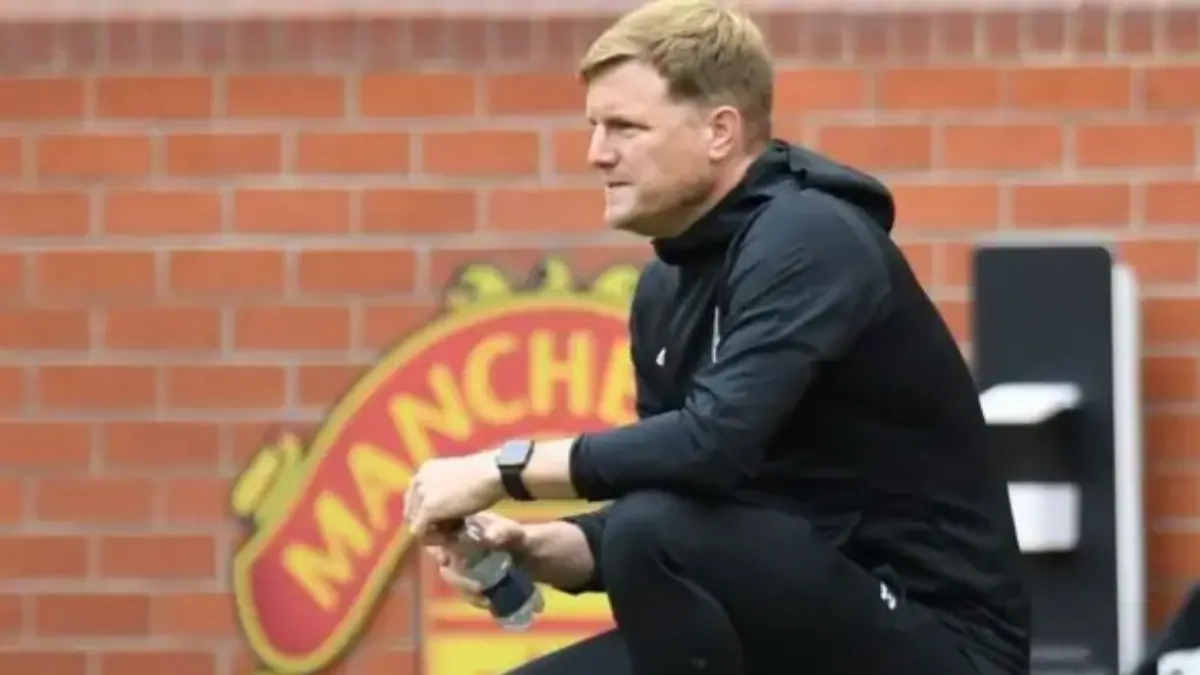
Among the leading figures drawing internal interest is Eddie Howe, whose extensive body of work at Bournemouth and Newcastle United has caught the attention of club executives. Observers who have closely monitored his training methods emphasize his relentless dedication to player development and his ability to cultivate a strong winning culture. His managerial journey includes steering Bournemouth from the lower tiers into the Premier League and later transforming Newcastle into a competitive force that secured qualification for European competition alongside domestic silverware.
Nevertheless, stepping into one of the most high-profile dugouts in world football presents a unique set of challenges and mixed external reactions. While prominent figures and former players have voiced support for his potential appointment, skepticism persists among certain sections of supporters and analysts regarding whether he represents the traditional profile associated with the club. Decision-making authority ultimately rests with chief executive Omar Berrada, sporting director Jason Wilcox, and director of recruitment Christopher Vivell, who must balance varying internal preferences while monitoring upcoming fixtures.
Financial considerations also play a critical role in any potential managerial transition. Beyond the administrative cost of resolving current contracts, prospective hiring arrangements involve compensation structures tied to previous clubs. Industry reports indicate that compensation terms associated with Newcastle decrease over time, potentially lowering financial barriers for interested suitors as the season progresses. Club leadership remains mindful of historical expenditures related to managerial turnover, aiming to balance fiscal responsibility with sporting ambition.
Another crucial aspect of a potential appointment involves structural alignment within the organization. At previous clubs, the English manager enjoyed substantial autonomy regarding squad building and recruitment, successfully nurturing high-value talents such as Bruno Guimarares, Anthony Gordon, and Alexander Isak, while helping develop players into full international representatives. Within the current operational hierarchy at Old Trafford, responsibilities are distributed among specialized executives. However, past professional experience working alongside sporting directors and administrative boards suggests a capacity to adapt to collaborative governance frameworks.
As executive leadership weighs its options, upcoming fixtures will heavily influence the immediate trajectory of the coaching staff. Navigating the complexities of squad rebuilding, managing financial commitments, and satisfying fan expectations remain paramount for the club’s long-term stability. The ultimate direction chosen by the board will offer clear insight into the strategic vision guiding the institution through its current transitional phase.
The potential arrival of a proven domestic manager at Old Trafford could significantly alter the tactical identity and developmental trajectory of the squad. As leadership navigates complex financial structures and internal alignment, the upcoming decisions will define the club’s competitive ambitions for future seasons. Addressing historical inconsistencies in squad recruitment under multiple prior managers remains essential for achieving sustained stability. Ultimately, securing a cohesive leadership vision will determine whether the institution can successfully bridge the gap between historical expectations and modern footballing demands.
References / Source links
- BBC Sport (Football reporting and analysis on managerial movements)
- Club Executive Statements (Official administrative updates and structural information)